What Is Vagal Tone?
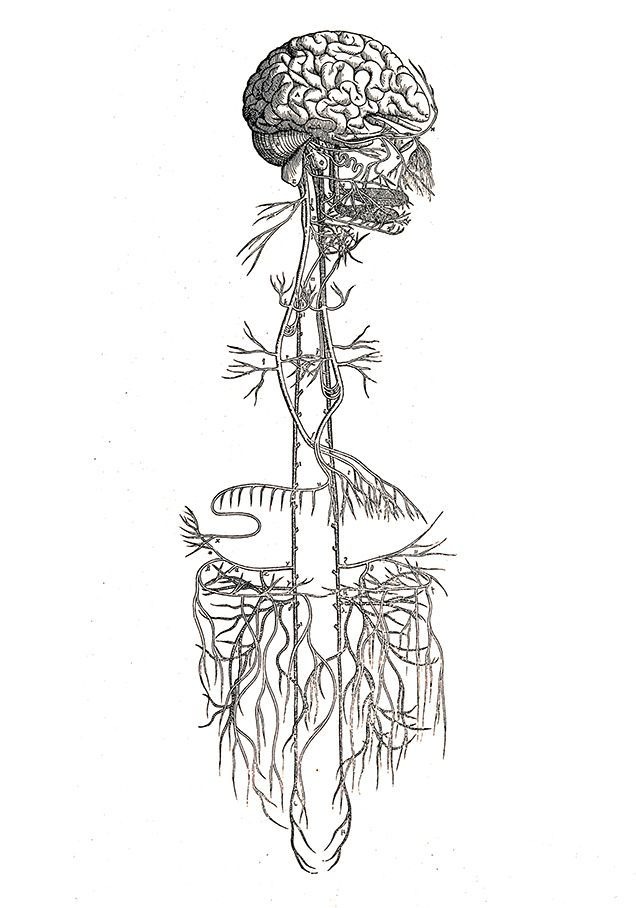
Vagal tone refers to how effectively the vagus nerve can regulate the body’s stress response.
Higher vagal tone is associated with:
- better emotional regulation
- faster recovery from stress
- improved heart rate variability (HRV)
- greater resilience to anxiety
Low vagal tone has been linked to panic disorder, chronic anxiety, sleep disturbances, and digestive issues.
The encouraging news is that vagal tone can improve through simple daily practices that stimulate the vagus nerve.
Why Humming for Anxiety Is Trending
Among the many vagus nerve exercises circulating online, humming has gained particular attention.
When you hum, vibrations travel through the throat, vocal cords, and sinuses, which are connected to the vagus nerve. These vibrations send signals to the brain that help activate the parasympathetic “rest-and-digest” response.
Research also suggests humming may increase nitric oxide production in the nasal passages, which can support breathing and circulation.
People often use humming for anxiety to:
- interrupt panic attacks
- slow the heart rate
- regulate breathing
- reduce stress quickly
Because it requires no tools or training, even 30–60 seconds of humming can help shift the body out of a stress response.
Nervous System Regulation: A Growing Wellness Trend
A noticeable shift is happening in how younger generations talk about mental health.
Instead of saying “I’m stressed,” many people now say:
- "My nervous system is dysregulated."
- “I’m stuck in fight-or-flight.”
- “I need to stimulate my vagus nerve.”
This language comes from somatic psychology, which focuses on how emotions and trauma are experienced in the body.
As a result, body-based practices such as breathwork, humming, grounding, cold exposure, and somatic exercises have become popular ways to regulate anxiety.
Grounding and Earthing Practices
Grounding, also known as earthing, refers to direct contact with the Earth’s surface.
Examples include:
- walking barefoot on grass or sand
- sitting on the ground in nature
- gardening
- swimming in natural water
Some people also use earthing sheets, which contain conductive fibers designed to connect the body to the Earth through a grounded outlet while sleeping.
Although scientific research on earthing is still developing, many people report better sleep, reduced stress, and improved relaxation from grounding practices.
Other Ways to Improve Vagal Tone
Along with humming for anxiety, several everyday habits can help stimulate the vagus nerve and support nervous system balance:
- slow breathing exercises
- singing or chanting
- cold water exposure
- meditation and mindfulnessr
- yoga or gentle movement
- laughter and social connection
Many wellness creators now refer to these practices as
“soft biohacking” — small daily habits that help the body regulate stress naturally.
Frequently Asked Questions
Does humming actually calm anxiety?
Humming can stimulate the vagus nerve, which activates the parasympathetic nervous system. This helps slow the heart rate, regulate breathing, and promote relaxation during stressful moments.
How long should you hum to calm the nervous system?
Even 30 seconds to one minute of humming can activate calming pathways in the body. Many people repeat humming for a few minutes to help interrupt panic or anxiety.
What are the best vagus nerve exercises for anxiety?
Common vagus nerve exercises include humming, slow breathing, cold water exposure, chanting, meditation, and gentle yoga.
Do earthing sheets really work?
Earthing sheets are designed to mimic grounding by connecting the body to the Earth’s electrical field. While some people report improved sleep and relaxation, scientific research on their effectiveness is still limited.
Final thoughts
Anxiety and panic disorder are not only psychological experiences — they are also deeply connected to the state of the nervous system.
Practices like humming for anxiety, grounding, breathwork, and vagus nerve stimulation are gaining attention because they work directly with the body’s natural stress-regulation systems.
While these techniques are not a replacement for professional treatment, they can be valuable tools for improving vagal tone, emotional resilience, and overall wellbeing.