Anxious attachment
Seeks closeness and reassurance
- Feels unsettled by inconsistency
- Overthinks communication and behaviour
- Fears abandonment
Avoidant attachment
Values independence and space
- Feels overwhelmed by emotional closeness
- Withdraws during conflict
- Avoids vulnerability
Both are protective patterns, not personality flaws.
Why Anxious and Avoidant Attract Each Other
This dynamic is extremely common in modern relationships.
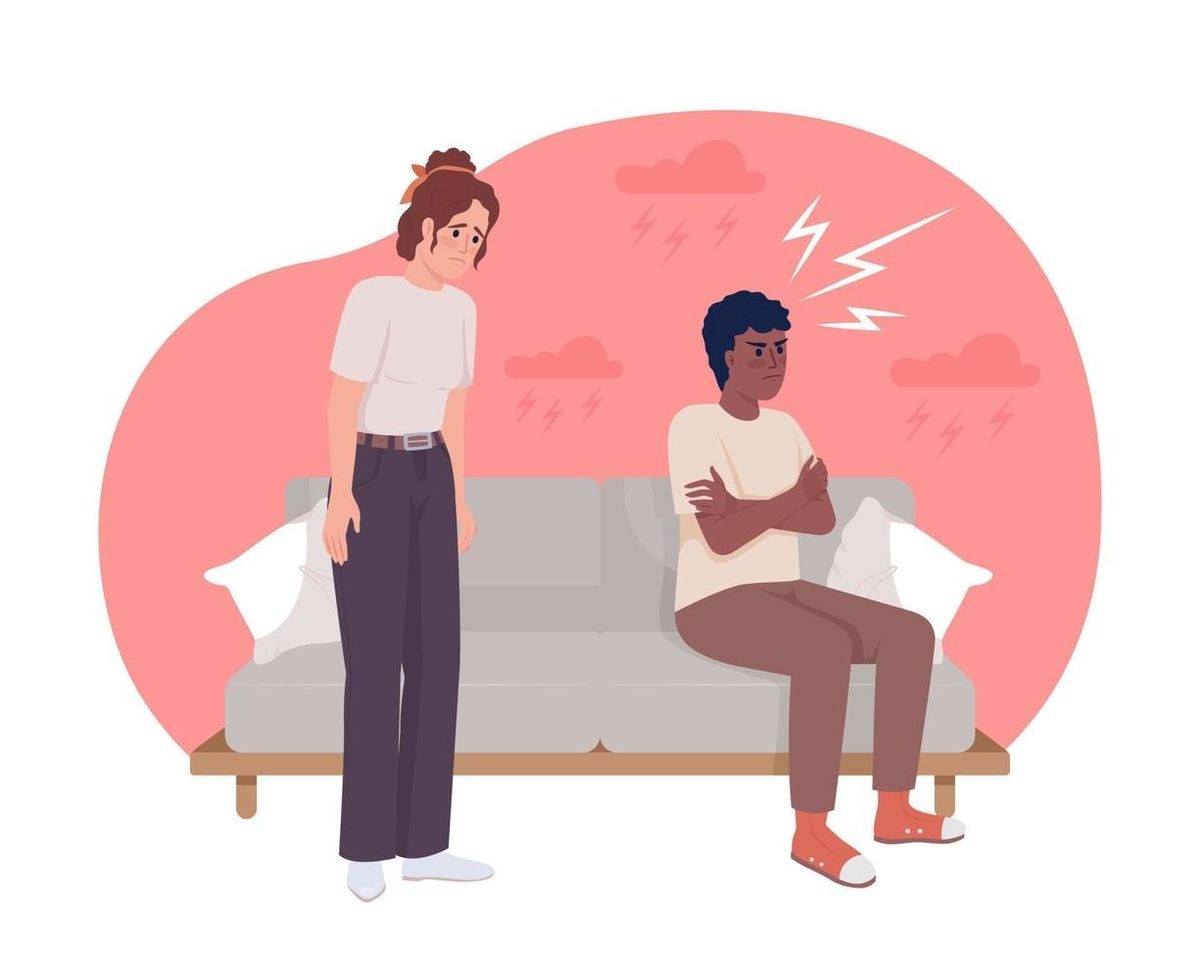
- The anxious partner moves toward connection
- The avoidant partner moves away from it
This creates a cycle
- More pursuit leads to more withdrawal
- More withdrawal increases anxiety
Over time, both partners feel misunderstood and emotionally drained.
This is a key pattern addressed in couples therapy and relationship counselling.
How This Shows Up in Relationships
Communication patterns
Anxious partner
- Double texts and seeks reassurance
- Reads deeply into tone and timing
- Feels anxious when responses are delayed
Avoidant partner
- Delays responses or avoids difficult conversations
- Shuts down during conflict
- Needs space instead of discussion
Emotional patterns
- One partner feels “too much”
- The other feels “not enough”
- Both feel dissatisfied but stay stuck
The Role of Modern Dating
Modern dating amplifies this dynamic.
- Constant access through apps increases anxiety
- Inconsistent communication triggers insecurity
- Casual relationships reduce clarity
This leads to increased demand for online couple therapy and relationship counselling.
Why This Dynamic Feels So Intense
This is not just emotional. It is biological.
- Uncertainty increases stress responses
- Anxiety raises cortisol levels
- The brain seeks reassurance or escape
This is why these relationships feel addictive yet exhausting.
Signs You Are in an Anxious-Avoidant Cycle
- You feel anxious when they pull away
- They withdraw when you express needs
- You chase clarity, they avoid it
- Conversations feel unresolved
- The relationship feels unstable but hard to leave
Can Anxious and Avoidant Relationships Work
Yes, but only with awareness and effort.
Without change, the cycle continues.
With awareness, patterns can shift.
How Couples Therapy Helps
In couples therapy or online couple therapy, the focus is not blame. It is understanding patterns.
Therapy helps you
- Identify your attachment style
- Improve communication in relationships
- Reduce reactive behaviour
- Build emotional safety
- Move toward secure attachment
Moving Toward Secure Attachment
Security is not about changing your personality. It is about changing your response.
For anxious individuals
- Build internal reassurance
- Reduce overdependence on external validation
For avoidant individuals
- Increase comfort with vulnerability
- Practice staying present during emotional conversations
For both partners
- Communicate clearly and consistently
- Focus on stability instead of emotional highs
Conclusion
Anxious and avoidant patterns are not signs of failure. They are learned responses to connection.
Understanding this dynamic can completely change how you experience relationships.
If you find yourself stuck in repeating cycles, seeking
relationship counselling or couples therapy can help you build a more secure and stable connection.
Mansi Blog - Anxious vs Avoidant