Anxious attachment
Driven by fear of abandonment
- Seeks constant reassurance
- Overthinks communication and behaviour
- Experiences heightened relationship anxiety
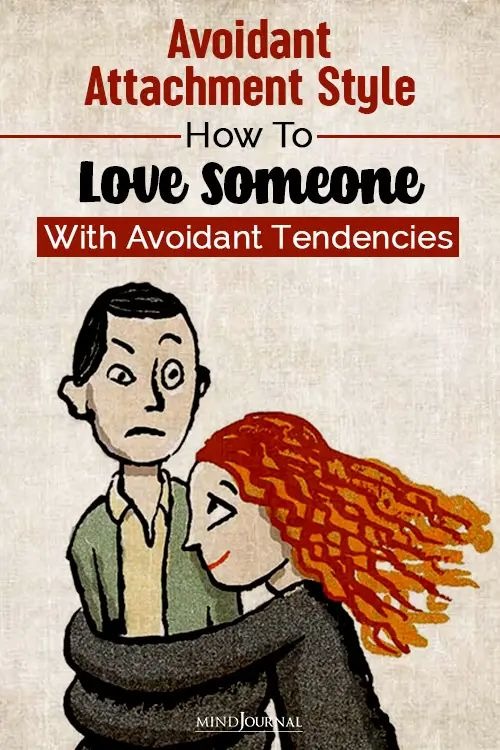
Avoidant attachment
Prioritises independence over intimacy
- Withdraws during emotional closeness
- Avoids vulnerability and deep conversations
- Creates distance when relationships intensify
Disorganized attachment
A mix of anxious and avoidant patterns
- Desires connection but fears it
- Displays inconsistent emotional behaviour
- Experiences unstable and confusing relationships
These patterns are frequently explored in relationship counselling and couples therapy
Attachment Styles in Modern Dating
Modern dating environments intensify insecure attachment patterns.
Key reasons
- Dating apps increase access but reduce emotional investment
- Communication is frequent but inconsistent
- Fear of commitment leads to unclear intentions
- Situationships replace defined relationships
This leads to rising dating anxiety and emotional burnout
The Anxious-Avoidant Dynamic
A common pattern seen in
couples therapy and relationship counselling
- Anxious individuals seek reassurance and closeness
- Avoidant individuals withdraw and create distance
Outcome
- Repeated emotional cycles
- Miscommunication and frustration
- Increased insecurity for both partners
This pattern often feels like chemistry but is actually emotional conditioning.
Communication in Relationships: The Core Breakdown
Most couples communicate, but they do not feel understood.
Anxious communication
- Over-explaining emotions
- Seeking validation repeatedly
- Reacting quickly to perceived changes
Avoidant communication
- Withdrawing during conflict
- Avoiding emotional discussions
- Struggling to express needs
Improving communication in relationships and communication in marriage is a primary focus in couples therapy.
Psychological Roots of Attachment Styles
Attachment patterns develop early and continue into adult relationships.
- Inconsistent emotional support leads to anxious attachment
- Emotional neglect leads to avoidant attachment
- Unpredictable or unsafe environments lead to disorganized attachment
Without awareness, these patterns repeat across relationships.
The Reality of Modern Dating
Emotional instability
Unclear intentions increase stress and anxiety
Ghosting and inconsistency
Triggers insecurity and attachment wounds
Superficial connections
Limit emotional depth and long-term stability
Many individuals now turn to online couple therapy and relationship counselling to understand and manage these patterns.
Signs You May Be Experiencing Attachment Issues
- You feel anxious when communication changes
- You are drawn to emotionally unavailable partners
- You overanalyse behaviour and interactions
- You struggle to feel secure in relationships
- You experience repeated relationship patterns
How Couples Therapy and Online Couple Therapy Help
Professional support focuses on breaking unhealthy patterns.
Through couples therapy, you can
- Identify your attachment style
- Improve communication in relationships
- Reduce emotional reactivity
- Build trust and stability
- Develop secure attachment patterns
Online couple therapy offers flexibility and accessibility, making it easier for individuals and couples to seek consistent support.
Moving Toward Secure Attachment
Security is built through awareness and consistent effort.
Practical shifts
- Communicate needs clearly
- Pause before reacting emotionally
- Recognise personal triggers
- Focus on stability over intensity
Conclusion
Modern dating feels uncertain because people are navigating relationships through unhealed attachment patterns.
Understanding attachment styles in modern dating changes how you approach connection, communication, and commitment.
If relationships feel confusing, overwhelming, or emotionally draining, seeking relationship counselling or couples therapy can help you move toward clarity and secure connection.
Mansi Blog - Attachment Styles and Modern Dating