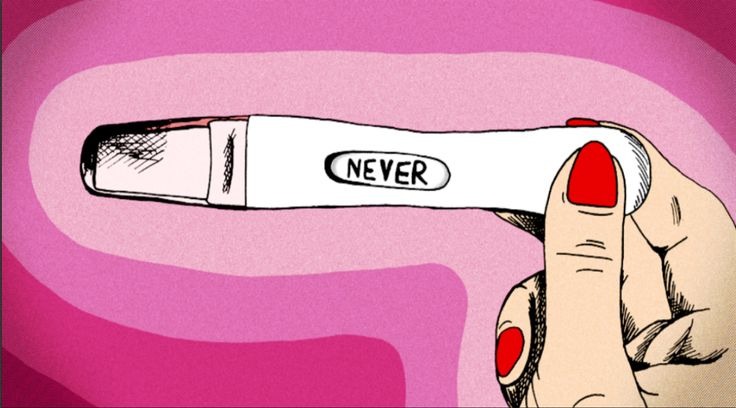
These conversations often overlook an important aspect of the decision: mental health.
Choosing not to have children is a deeply personal decision. It can bring confidence and clarity, but it can also create emotional challenges shaped by family expectations, cultural beliefs and social pressure.
What Does 'Childfree by Choice' Mean?
Being
childfree by choice means deciding not to have biological or adopted children.
This decision is different from being childless due to infertility or circumstances beyond one's control. While both experiences involve not having children, the emotional journeys are very different.
People choose to remain childfree for many reasons, including:
- Wanting a different lifestyle.
- Prioritising personal freedom.
- Focusing on career or creative pursuits.
- Financial considerations.
- Concerns about the environment or the future.
- Existing physical or mental health conditions.
- Simply not feeling the desire to become a parent.
None of these reasons are more valid than another.
Why Does Society Find This Choice Difficult to Accept?
Parenthood is often presented as a natural milestone rather than a personal decision.
Films, advertisements, family gatherings and social media reinforce the idea that adulthood eventually leads to raising children. As a result, people who choose otherwise are frequently expected to explain themselves.
Some of the most common responses include:
- "You'll regret it."
- "You'll change your mind."
- "Who will look after you when you're older?"
- "You're being selfish."
- "Your biological clock will kick in."
Repeated exposure to these messages can create self-doubt, even in people who feel certain about their decision.
The Emotional Impact of Constant Questioning
Living with repeated scrutiny can become
emotionally exhausting.
Many adults report feeling:
- Guilty for disappointing family members.
- Isolated from friends whose lives revolve around parenting.
- Frustrated by having to justify a personal choice.
- Anxious about being judged.
- Pressured to defend decisions they have already made.
The stress often comes not from the decision itself, but from society's reaction to it.
Does Choosing Not to Have Children Affect Mental Health?
The decision itself is not a mental health concern.
What can affect mental wellbeing is the pressure surrounding it.
When people feel that their choices are constantly questioned, they may experience:
- Anxiety.
- Chronic stress.
- Family conflict.
- Relationship strain.
- Feelings of loneliness.
- Self-doubt.
Research consistently shows that wellbeing is influenced more by whether people are able to live in alignment with their values than by following a particular life path.
Relationships and the Childfree Decision
One of the biggest challenges arises when partners have different expectations about parenthood.
Questions around having children often involve:
- Long-term compatibility.
- Shared values.
- Family expectations.
- Religious or cultural beliefs.
- Lifestyle preferences.
These conversations can be emotionally complex.
Avoiding them often creates more distress than having them honestly and early.
When both partners feel heard and respected, it becomes easier to make decisions together rather than feeling pushed into one.
Women Often Face Greater Social Pressure
Although both men and women can choose to remain childfree, women frequently experience greater scrutiny.
Motherhood is still closely tied to ideas of femininity, sacrifice and fulfilment.
Women who choose otherwise may be described as ambitious, career-focused or independent in ways that carry negative judgement. Others are labelled selfish, cold or incomplete.
These assumptions ignore a simple truth.
A woman's worth is not determined by whether she becomes a mother.
Her identity is made up of her relationships, values, passions, work, creativity, community and countless other experiences.
What If You Feel Conflicted?
Not everyone feels completely certain. Some people know they don't want children but struggle with guilt. Others worry about disappointing parents or fear future regret.
Feeling conflicted doesn't necessarily mean you've made the wrong decision.
It often reflects the weight of expectations placed upon that decision.
Exploring those feelings with curiosity rather than judgement can help separate personal desires from external pressure.
How Therapy Can Help
Therapy is not about convincing someone to become a parent or remain childfree.
It is a space to understand your own values without outside expectations shaping every decision.
A therapist can help you:
- Explore what parenthood means to you.
- Work through feelings of guilt or uncertainty.
- Navigate family pressure.
- Strengthen communication with your partner.
- Build confidence in your decisions.
- Develop healthy emotional boundaries.
The goal is not to arrive at the "right" answer.
The goal is to arrive at your answer.
Frequently Asked Questions
Is it normal to not want children?
Yes. Not wanting children is a valid life choice. People build meaningful, fulfilling lives in many different ways.
Does choosing not to have children affect mental health?
The choice itself does not harm mental health. Emotional distress often comes from societal expectations, family pressure or relationship conflicts rather than the decision itself.
Can therapy help if I'm unsure about becoming a parent?
Yes. Therapy provides a non-judgemental space to explore your thoughts, values and concerns without pressure to make a particular decision.
Is choosing to be childfree selfish?
No. Choosing whether or not to become a parent is a personal decision. There is no evidence that choosing a childfree life is inherently selfish.
How can I deal with family pressure about having children?
Setting respectful boundaries, communicating your values clearly and seeking professional support when conversations become emotionally overwhelming can help protect your mental wellbeing.
Final Thoughts
Every generation redefines what a meaningful life looks like.
For some people, that includes raising children. For others, fulfilment comes through relationships, work, creativity, community, travel or simply living in a way that reflects who they are.
There is no single version of adulthood that guarantees happiness. Choosing to become a parent deserves respect. Choosing not to become one deserves the same.
MANSI THERAPY - CHOOSING TO BE CHILDFREE