The Modern World Gives Us Too Many Choices
The modern world has turned every ordinary task into a catalogue. Open Netflix and you're expected to choose from thousands of films. Open Spotify and there are millions of songs. Walk into a supermarket and there are twelve types of yoghurt, eight brands of oats and four different kinds of salt.
We often celebrate choice as freedom, but too much choice comes with a cost. Every option asks your brain to compare, evaluate and eliminate.
Your brain wasn't designed for this volume of decision-making. It evolved to answer questions that helped us survive. Is this safe? Can I trust this person? Should I run? Today, those same cognitive systems are deciding between fifteen nearly identical phone plans and wondering whether your email sounds too formal.
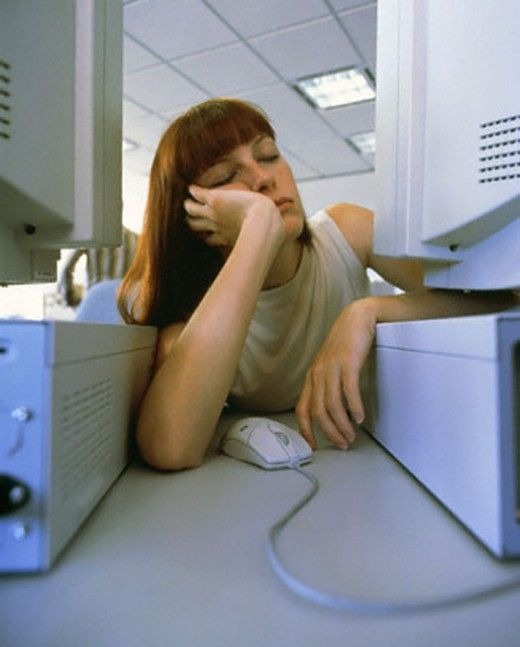
Over time, these decisions accumulate. They don't seem significant individually, but together they create mental overload. This is why people often find themselves staring at a wardrobe full of clothes convinced they have nothing to wear, or scrolling through food delivery apps until every option looks equally unappealing.
How Anxiety and Perfectionism Make It Worse
Decision fatigue is also closely linked to
anxiety. When you're already anxious, every decision carries extra weight. What if I choose the wrong thing? What if I regret it? What if there's a better option? The decision itself becomes less exhausting than the fear of making a mistake.
Perfectionism makes it worse. It convinces us that somewhere there is one perfect answer, so we keep researching, comparing and delaying. We save another tab, ask another friend and read another review, believing certainty is just one more search away. Most of the time, it isn't.
Signs You May Be Experiencing Decision Fatigue
Some signs of decision fatigue include:
- Feeling mentally exhausted by simple choices.
- Procrastinating over everyday tasks.
- Constantly changing your mind.
- Becoming irritable when asked to make decisions.
- Impulse buying simply to end the decision-making process.
- Avoiding choices altogether by saying, "You decide."
Reducing Decision Fatigue
Reducing decision fatigue isn't about eliminating choices altogether. It's about protecting your mental energy. Creating routines, limiting unnecessary notifications, reducing screen time and accepting that not every decision needs to be perfect can make an enormous difference.
If every decision feels overwhelming, it may be worth exploring what lies beneath it. Decision fatigue often overlaps with chronic stress, burnout and anxiety. Therapy can help identify the patterns that keep your mind in a constant state of evaluation and teach healthier ways of responding to uncertainty.
Final Thoughts
The problem isn't that you've become bad at making decisions. It's that your brain has spent the entire day making them. Sometimes the reason dinner feels impossible isn't because the choice is difficult. It's because your mind has already answered hundreds of questions before you even opened the app.
MANSI THERAPY - DECISION FATIGUE