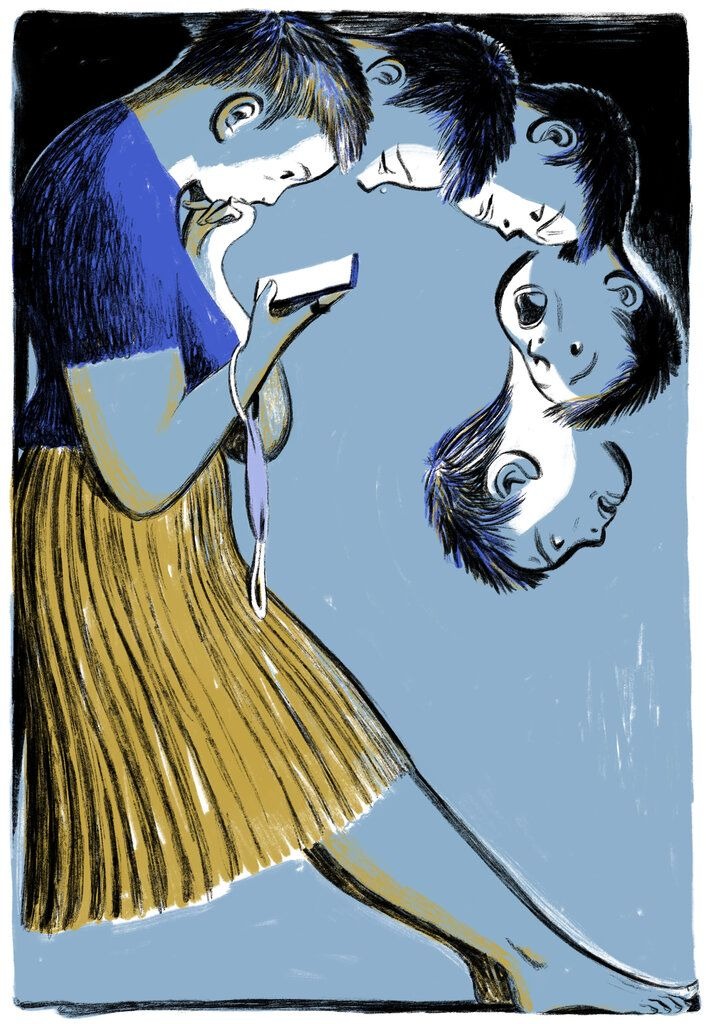
Each distressing headline can trigger the release of cortisol, the body’s primary stress hormone. When this happens repeatedly, the nervous system can remain in a state of
chronic low-level stress.
This is why many people report feeling anxious or mentally drained after long periods of scrolling.
Information Overload: When the Brain Receives Too Much Input
The human brain did not evolve to process the amount of information people encounter today.
Within a single hour of scrolling, someone might encounter:
- global political conflicts
- economic news
- climate updates
- personal stories of trauma
- mental health advice videos
- lifestyle comparisons
This creates
information overload, a state where the brain struggles to process and prioritize incoming information.
Common signs include:
- mental fatigue after using social media
- difficulty concentrating
- increased anxiety after reading news
- feeling overwhelmed by constant updates
- trouble making decisions
Over time, information overload contributes to
digital overwhelm and emotional exhaustion.
The Gen Z Language for Digital Fatigue
Interestingly, younger generations have begun creating their own language to describe these experiences.
Terms frequently used online include:
Brain Rot
A Gen Z slang term describing the mental fog or cognitive fatigue caused by excessive social media consumption.
Algorithm Anxiety
The stress that comes from constantly being exposed to curated feeds filled with intense or alarming content.
Digital Overstimulation
The feeling that the brain is overwhelmed by too many notifications, videos, headlines, and opinions at once.
These phrases reflect a growing awareness that constant digital exposure can affect mental health.
The Rise of Self-Diagnosis Culture
At the same time that mental health awareness has increased online, another trend has emerged: self-diagnosis culture.
Many people now search questions like:
- Do I have ADHD?
- Am I autistic?
- Do I have bipolar disorder?
- Is this trauma?
Short-form platforms like TikTok often feature videos where creators explain complex psychological conditions in less than a minute. While these videos can raise awareness, they can also
oversimplify mental health conditions.
As a result, people may begin to interpret everyday stress, distraction, or emotional struggles as a specific disorder.
This can sometimes create
confusion rather than clarity.
The Problem with “TikTok Therapy”
Another emerging phenomenon is the rise of
self-proclaimed therapists or mental health influencers online.
Many creators provide advice, diagnostic checklists, or simplified explanations of mental health conditions without the depth or context that professional evaluation requires.
While some mental health professionals do share valuable insights online, the internet also contains large amounts of
unverified psychological advice.
This can create several problems:
Oversimplification of complex conditions
Mental health disorders are multifaceted and cannot be diagnosed through short videos or checklists.
Encouraging self-labeling
People may begin to identify with diagnoses without professional assessment.
Increased anxiety
Constant exposure to symptom lists may cause individuals to interpret normal stress responses as signs of a disorder.
In some cases, this can intensify
health anxiety and emotional distress.
When Mental Health Awareness Becomes Mental Health Anxiety
Ironically, the internet’s attempt to normalize mental health conversations can sometimes produce the opposite effect.
Instead of feeling reassured, some people begin to
constantly monitor their own thoughts and emotions, wondering whether every experience is a symptom of something deeper.
Combined with doomscrolling and information overload, this can create a mental state where people feel:
- hyper-aware of their emotions
- overwhelmed by psychological information
- uncertain about what they are experiencing
This phenomenon is sometimes described as
mental health hypervigilance.
Signs Digital Overload Is Affecting Your Mental Health
When doomscrolling and information overload become chronic, people may begin to experience:
- increased anxiety after checking social media
- emotional fatigue or numbness
- difficulty concentrating
- sleep disruption after late-night scrolling
- feeling mentally overwhelmed by news updates
These symptoms often reflect nervous system overstimulation rather than a specific mental disorder.
Rebuilding Healthy Mental Boundaries Online
Completely disconnecting from digital life is unrealistic, but creating
intentional boundaries can significantly reduce digital stress.
Some helpful practices include:
Limiting news consumption
Choosing specific times of the day to check updates rather than constant monitoring.
Curating social media feeds
Reducing exposure to accounts that consistently trigger anxiety or distress.
Curating social media feeds
Taking digital breaks
Allowing the brain time away from constant information input.
Seeking professional guidance when needed
Mental health diagnoses should ideally come from trained professionals rather than online self-assessment.
The Bigger Cultural Shift
We are living in a time where
information is infinite, attention is constantly targeted, and psychological language is spreading rapidly online.
While these changes have increased awareness of mental health, they have also introduced new forms of stress—particularly through
doomscrolling, information overload, and self-diagnosis culture.
Understanding how these forces affect the brain can help individuals navigate digital life with
greater awareness and healthier boundaries.
Final Thoughts
Doomscrolling and information overload are not just habits—they are reflections of a digital environment designed to capture attention.
When combined with constant news exposure and unverified psychological advice online, they can contribute to
anxiety, confusion, and emotional exhaustion.
Staying informed is important, but protecting mental health requires something equally important:
learning when to stop scrolling.
Doomscrolling & Information overload - Blog by Mansi Therapy