What Is Emotional Permanence?
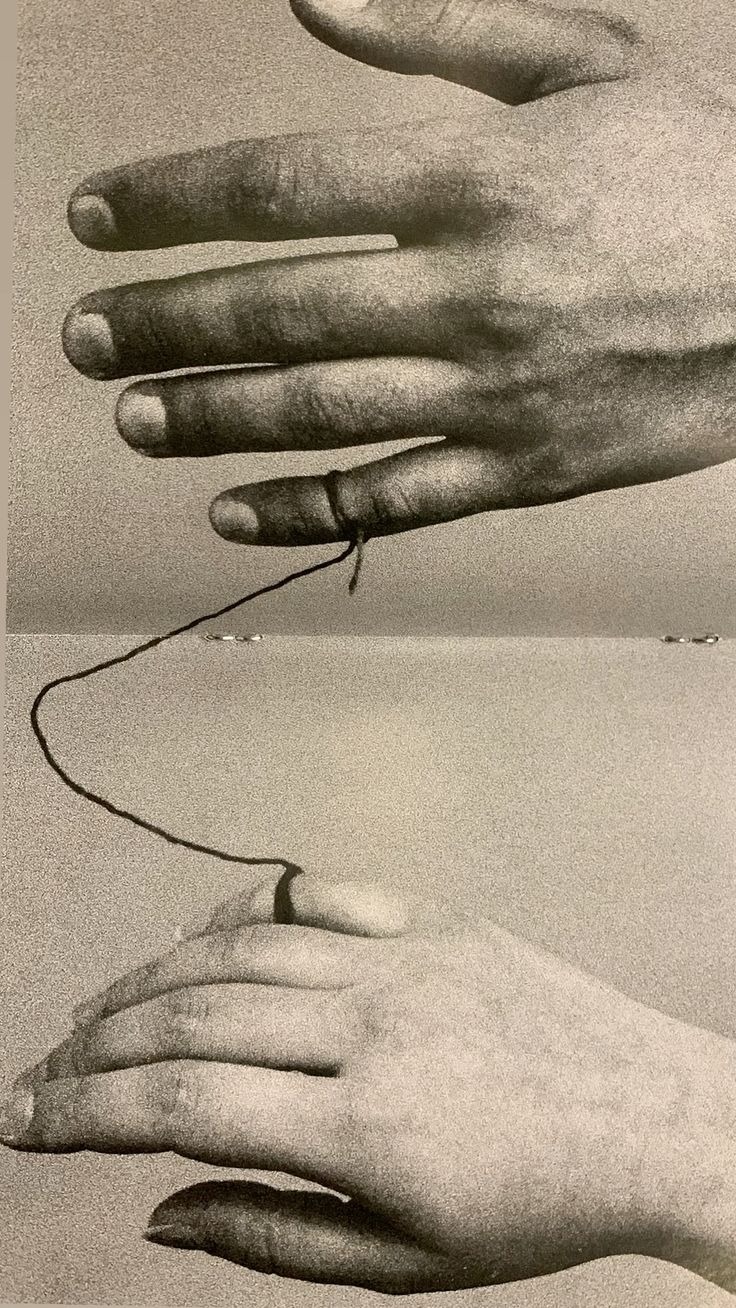
Emotional permanence is the ability to hold on to the feeling that someone cares about you, even when they aren't physically present or constantly reassuring you.
Think about a young child learning that a parent still exists even after leaving the room. As adults, we usually know that people don't disappear simply because we can't see them.
Emotional permanence works in a similar way.
It is the ability to believe that affection, care, and connection continue to exist even when they aren't immediately visible.
When emotional permanence feels fragile, reassurance fades quickly. Yesterday's loving conversation can feel distant after a few hours of silence.
What Does It Feel Like?
People often describe it like this:
"I know my partner loves me, but the moment they become busy, I start wondering if something has changed."
"My friend didn't reply all day. My first thought wasn't that they were occupied. It was that I'd done something wrong."
"I need frequent reassurance, even though I know it might sound irrational."
These thoughts are rarely about logic.
They're about emotional certainty.
Why Does This Happen?
There isn't one single cause.
For many people, it develops through early relationships where love felt inconsistent or unpredictable.
Sometimes affection depended on achievement.
Sometimes caregivers were emotionally unavailable.
Sometimes relationships involve frequent conflict, sudden distance, or mixed signals.
Over time, the brain learns an important lesson:
Love can disappear without warning.
As adults, that belief doesn't simply vanish.
Instead, the nervous system stays alert for signs that history might repeat itself.
It's Not Always About Romantic Relationships
Emotional permanence can appear in friendships, families, and workplaces too.
You might feel forgotten if your closest friend hasn't called.
You may assume your manager is unhappy with you because they sounded brief in one email.
You might believe your family is upset simply because the group chat has gone quiet.
The mind begins filling silence with stories.
Unfortunately, those stories are usually negative.
Social Media Has Made It Worse
Never before have we had so many ways to measure someone's attention.
We notice who viewed our story.
Who left us to read.
Who liked someone else's photo but not ours.
Who replied immediately yesterday but it took six hours today.
Technology gives us constant access to other people's availability.
It doesn't give us certainty.
As a result, many people mistake temporary silence for emotional withdrawal.
Emotional Permanence vs Anxious Attachment
The two ideas are closely connected, but they aren't exactly the same.
Anxious attachment describes a broader relationship pattern where people fear rejection, crave closeness, and often seek reassurance.
Emotional permanence refers to one part of that experience: finding it difficult to
feel secure when reassurance isn't immediately available.
You may understand that someone loves you.
Your emotions simply struggle to hold on to that feeling when they aren't present.
How Therapy Can Help
Many people try to solve this by asking for more reassurance.
For a while, it works.
Then the anxiety returns.
Therapy often takes a different approach.
Instead of focusing only on the relationship, it explores the beliefs underneath it.
Why does silence feel unsafe?
Why does distance immediately feel personal?
Why does your mind expect abandonment before it considers any other explanation?
Understanding these patterns doesn't remove the emotions overnight.
It helps you recognise that your reactions often belong to old experiences, not necessarily your current relationships.
Over time, the goal is to build trust that isn't dependent on constant proof.
A Quick Reflection
Consider these questions:
- Do I feel anxious when someone takes longer than usual to reply?
- Do I often assume people are upset with me without any evidence?
- Do I need frequent reassurance to feel secure in my relationships?
- Does affection feel real only when it's actively being expressed?
- Do I find it difficult to believe people still care about me when we're apart?
If several of these resonate with you, it doesn't mean there's something wrong with you.
It may simply mean your emotional security has been shaped by experiences that taught you to expect love to disappear.
The Takeaway
Love isn't measured by how quickly someone replies.
Care doesn't disappear because a conversation pauses.
People can be busy without becoming distant.
Yet when emotional permanence feels fragile, every silence can feel like rejection.
The good news is that these patterns are not fixed.
With awareness, healthier relationships, and sometimes therapy, it becomes possible to experience connection without constantly needing proof that it still exists.
Mansi Therapy - Emotional Permanence