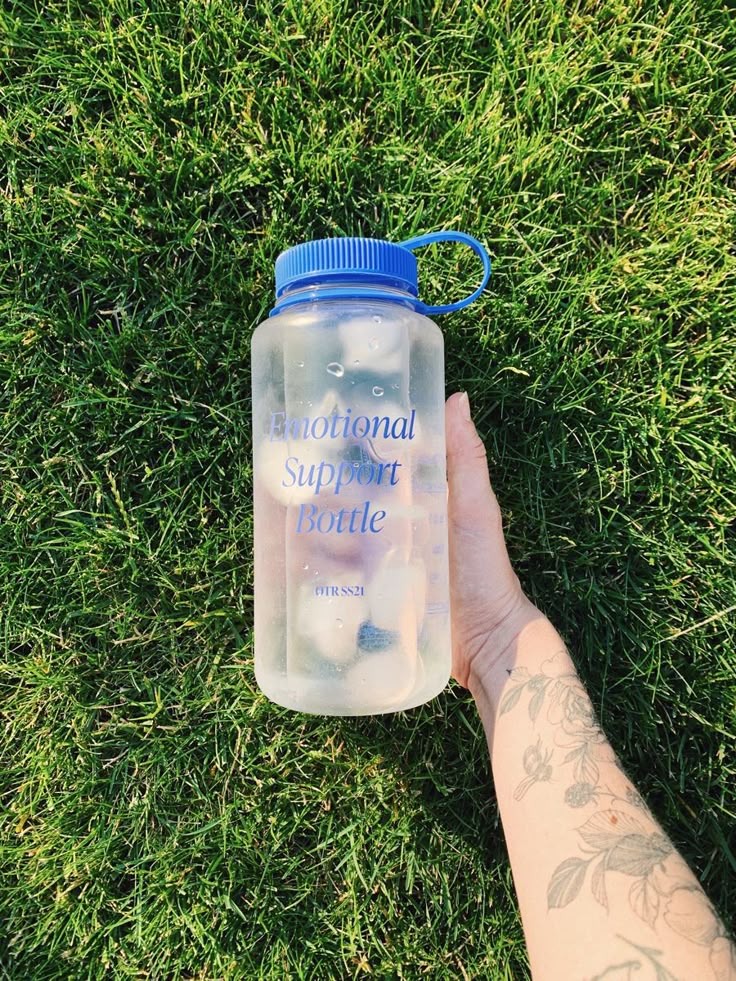
What Is an Emotional Support Object?
An emotional support object is any personal belonging that offers a sense of familiarity, comfort, or security. Unlike childhood comfort toys, adults often develop attachments to practical items they use every day. These objects are not magical or irrational. They become part of our routines, helping the brain predict what comes next and creating a sense of stability.
Psychologists have long understood that people can form emotional attachments to objects. The object itself is rarely the source of comfort. Instead, it represents safety, identity, memories, or consistency.
Why Do We Become Attached to Everyday Objects?
They Create a Sense of Control
Life is unpredictable. Work changes, relationships shift, and routines get interrupted. Carrying a familiar object can provide a small but meaningful sense of certainty. Filling the same bottle every morning or carrying the same bag becomes a ritual that signals the beginning of the day.
They Reduce Mental Effort
Our brains appreciate familiarity. When an item becomes part of our daily routine, we stop making conscious decisions about it. Using the same bottle or bag every day removes one more choice, leaving more energy for other tasks.
They Become Part of Our Identity
People often choose objects that reflect who they are. A favourite notebook may represent creativity. A particular mug might remind someone of home. A water bottle covered in stickers can become an extension of personality rather than just a container.
They Hold Emotional Memories
Objects often become linked to experiences. A hoodie worn during university, a tote bought on a memorable trip, or a bottle carried through years of work can carry emotional meaning beyond its practical purpose.
Is This the Same as Unhealthy Attachment?
Not necessarily.
Most emotional attachments to objects are completely normal. Humans naturally associate memories and emotions with physical belongings. Problems usually arise only when the object becomes the
only source of comfort or when losing it causes extreme distress that interferes with daily life.
For example, feeling disappointed after misplacing a favourite bottle is understandable. Feeling unable to leave the house because that bottle is missing may suggest there are deeper emotional needs worth exploring.
Why Are Emotional Support Water Bottles So Popular?
The trend reflects more than hydration.
Water bottles today travel everywhere. They sit beside us during work meetings, gym sessions, study hours, long commutes, and quiet evenings at home. They become constant companions during periods of stress, change, and achievement. Over time, the brain begins to associate them with familiarity and comfort.
Many people also personalise their bottles with colours, charms, stickers, or accessories. This increases emotional value because the object feels uniquely theirs.
When Should You Pay Attention?
Ask yourself a few questions:
- Do I feel mildly inconvenienced without this object, or genuinely anxious?
- Does it help me feel organised, or does it feel impossible to function without it?
- Is this object replacing emotional support from people, healthy routines, or coping skills?
These questions are not meant to judge your attachment. They simply help you understand what role the object is playing in your life.
The Bigger Picture
The popularity of "emotional support" water bottles, bags, and hoodies says something about modern life. Many people are looking for consistency in a world that moves quickly. Small rituals and familiar objects offer moments of predictability when everything else feels uncertain.
There is nothing unusual about finding comfort in the things that accompany you every day. They can become symbols of routine, identity, and emotional safety. At the same time, it is helpful to remember that lasting security comes from supportive relationships, healthy coping strategies, and self-awareness, not from any single object.
If losing an everyday item causes overwhelming anxiety or if you notice yourself relying on possessions more than people, it may be worth speaking with a mental health professional. Understanding what the object represents is often more important than replacing the object itself.
MANSI THERAPY - EMOTIONAL SUPPORT BOTTLE