What Is a Functional Freeze?
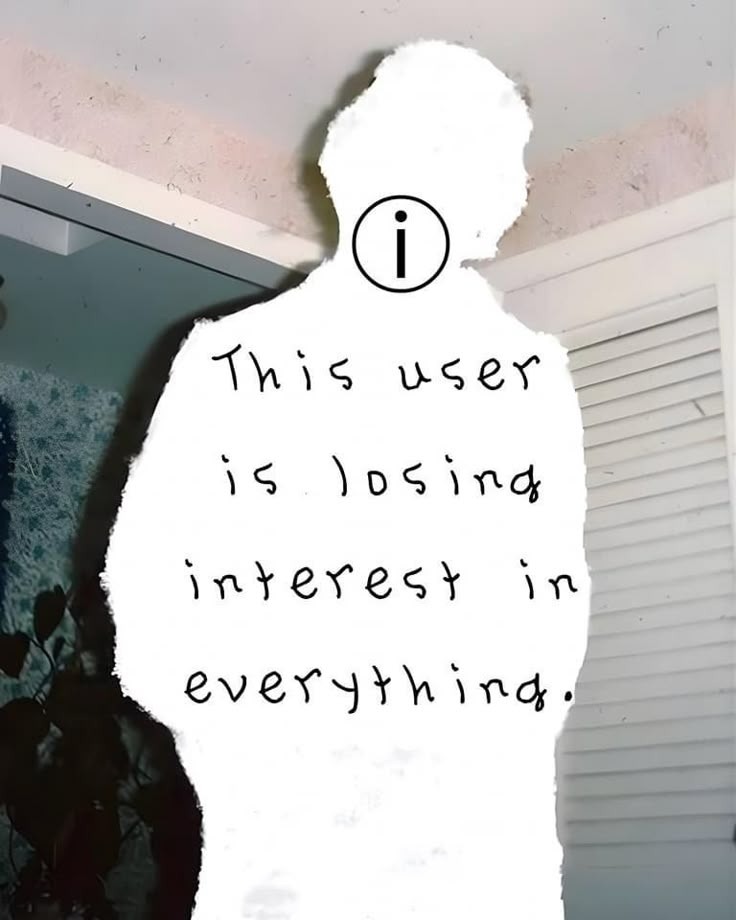
Functional freeze is often used to describe a state where your body and mind continue to perform daily responsibilities while remaining emotionally disconnected.
Unlike burnout, where exhaustion is usually obvious, or anxiety, where distress is more visible, functional freeze can go unnoticed for weeks or even months. You continue to show up, but you're running on autopilot.
From the outside, you appear productive.
On the inside, you may feel emotionally flat, disconnected, or numb.
Why Does It Happen?
Our nervous system has different ways of responding to stress.
When faced with danger or prolonged emotional strain, we often hear about the "fight or flight" response. There's another response that receives far less attention:
freeze.
The freeze response isn't about laziness or a lack of motivation. It's the nervous system's way of conserving energy when it feels overwhelmed.
If stress continues for a long time, your brain may prioritise getting through the day instead of fully experiencing it.
This can happen after prolonged workplace stress, caregiving responsibilities, grief, relationship conflict, financial pressure, or years of carrying emotional burdens without enough recovery.
Signs You May Be Experiencing Functional Freeze
You may relate to functional freeze if you:
- Complete your responsibilities but feel emotionally detached from them.
- Feel tired no matter how much you rest.
- Avoid making plans because everything feels like effort.
- Find yourself scrolling for hours without enjoying it.
- Stop looking forward to weekends, holidays, or hobbies.
- Feel disconnected from friends or family, even though you care about them.
- Keep telling yourself, "I'll feel better once this week is over," but that feeling never arrives.
Functional Freeze Isn't the Same as Being Lazy
Many people blame themselves for feeling this way.
They think they're becoming unmotivated or undisciplined because they're still capable of working.
The reality is that productivity doesn't always reflect
emotional wellbeing.
Someone can be highly successful at work while feeling completely disconnected from themselves.
Being able to function doesn't mean you're flourishing.
Why Can It Be Difficult to Notice?
Functional freeze often develops gradually.
You adapt to doing only what's necessary. You stop checking in with how you feel because there is always another deadline, another responsibility, or another problem to solve.
Over time, surviving becomes your normal.
Because you're still meeting expectations, people around you may not realise you're struggling. You may not realise it either.
What Can Help?
Recovery isn't about forcing yourself to become more productive.
It's about helping your nervous system recognise that it is no longer under constant threat.
Start by noticing what your body needs instead of only focusing on what your to-do list demands.
Small moments of rest, movement, meaningful conversations, creative hobbies, spending time outdoors, and regular sleep can slowly help restore a sense of safety.
If this emotional numbness has been present for a long time or is affecting your relationships, work, or quality of life, speaking with a
mental health professional can help you understand what's keeping your nervous system stuck.
A Quick Self-Check
Ask yourself these questions:
- Have I been feeling emotionally flat for more than a few weeks?
- Am I completing tasks without feeling present or engaged?
- Do I feel more exhausted than fulfilled, even after a productive day?
- Have I stopped enjoying activities that once brought me happiness?
- Do I rarely ask myself how I'm feeling because I'm focused on getting through the day?
If you answered "yes" to several of these questions, it doesn't necessarily mean you're experiencing functional freeze. It may, however, be a sign that your mind and body are asking for more than simply pushing through.
The Takeaway
Functional freeze reminds us that functioning and feeling well are not the same thing.
You don't have to reach complete burnout before paying attention to your mental health.
Sometimes the biggest sign that you need support isn't falling apart.
It's realising you've become so good at carrying on that you've stopped noticing how heavy everything feels.
MANSI THERAPY - FUNCTIONAL FREEZE