Symptoms of Night time Anxiety
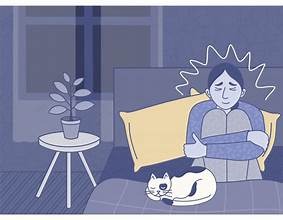
Nighttime anxiety can affect both the mind and body.
Common symptoms include:
- racing thoughts before sleep
- replaying conversations or social interactions
- excessive worry about work or the future
- difficulty falling asleep
- restlessness or tension in the body
- tightness in the chest or shallow breathing
Many people feel physically tired but mentally alert, especially when experiencing chronic stress or burnout.
Nighttime anxiety often develops due to a combination of psychological stress, lifestyle habits, and nervous system patterns.
Mental Overload and Burnout
When the brain spends the entire day managing responsibilities, pressure, and deadlines, it may only begin processing stress at night. Burnout can keep the mind in a state of alertness, making it difficult to relax before sleep.
Social Media and Digital Overstimulation
Late-night scrolling through social media or news can overstimulate the brain. Social comparison, information overload, and constant exposure to global events can increase stress and make it harder for the mind to switch off.
Social Anxiety and Overthinking
People with social anxiety often replay conversations in their mind. Thoughts such as “Did I say something wrong?” or “What do people think about me?” can create cycles of rumination that become stronger at night.
Substance Use and Coping Patterns
Some individuals rely on alcohol, drugs, or excessive caffeine to cope with stress. While these substances may temporarily reduce tension, they can disrupt sleep and trigger
rebound anxiety during the night.
Digital and Behavioral Addiction
Constant phone use, gaming, or streaming late into the night stimulates the brain and increases dopamine activity, making it harder for the body to enter a restful state.
How to Calm Anxiety at Night
The goal is not to force the mind to stop thinking but to help the nervous system shift into a calmer state.
Writing down worries before sleep can help clear mental clutter. Divide thoughts into two columns:
Things I Can Control
Things I Cannot Control
This simple exercise helps organize worries and reduce overthinking.
Practice Slow Breathing
Breathing exercises help regulate the nervous system.
Try this technique:
- Inhale for 4 seconds
- Hold for 4 seconds
- Exhale slowly for 6 seconds
Repeat for a few minutes until the body begins to relax.
Reduce Screen Time Before Bed
Limiting social media and digital stimulation 30–60 minutes before sleep can significantly improve relaxation and reduce nighttime anxiety.
Create a Calming Night Routine
Gentle routines such as stretching, meditation, journaling, reading, or listening to calming music can help the body transition into rest mode.
When Should You Seek Professional Help?
Occasional nighttime anxiety is common. However, if anxiety begins to interfere with sleep, daily functioning, or emotional wellbeing, it may be helpful to speak with a mental health professional.
Therapy can help identify underlying stress patterns, address concerns such as burnout or social anxiety, and provide practical tools to regulate the nervous system.
Many individuals in Kolkata and other busy urban environments experience anxiety related to work pressure, digital overload, and social expectations. Professional counselling can help develop healthier ways to manage stress and improve emotional wellbeing.
Frequently Asked Questions
Why do I feel anxious when I lie down at night?
When daily distractions fade, the brain begins processing unresolved worries and stress, which can trigger racing thoughts.
Can social media increase nighttime anxiety?
Yes. Constant digital stimulation, news exposure, and comparison on social media can increase stress and make it harder to relax before sleep.
Can burnout cause sleep anxiety?
Burnout keeps the nervous system in a state of prolonged stress, making it difficult to calm the mind and fall asleep.
Final Thought
Nighttime anxiety often reflects how much the mind has been carrying throughout the day. Stress, social pressures, digital overstimulation, and emotional fatigue can surface when the world becomes quiet.
By creating healthier routines, reducing overstimulation, and practicing calming techniques, it is possible to quiet racing thoughts and build a more peaceful relationship with sleep. If anxiety continues to affect sleep or daily life, professional support can help you better understand and manage these patterns.