Why Instagram Therapy Feels Helpful
There’s a reason this content works.
It simplifies complex emotions into short, relatable ideas. A 30-second reel can make you feel seen. Posts about anxiety or relationship struggles can feel like they are speaking directly to you.
For many people, this becomes a form of emotional validation. It helps them name what they are feeling and realise they are not alone.
In some cases, it can even encourage people to consider therapy for the first time.
The Problem With Oversimplified Advice
The issue is not the intention. It is the format.
Mental health is complex, but social media demands simplicity. This often leads to:
- labelling normal emotions as anxiety or trauma
- generalising relationship advice
- presenting one-size-fits-all solutions
- reducing deep psychological concepts into quick tips
For example, a post about “signs of anxiety” may resonate with many people, but it may not reflect their actual situation. Similarly, content about couples therapy or marriage therapy may highlight issues without explaining the full context required to understand them.
This can create confusion instead of clarity.
Social Media Anxiety Is Real
Ironically, the same platform that talks about mental health can also contribute to it.
Constant exposure to mental health content can increase
social media anxiety. You may start over analyzing your thoughts, questioning your relationships, or comparing your emotional experiences with others.
This can lead to:
- increased stress
- self-diagnosing without proper understanding
- feeling like something is always wrong
- difficulty trusting your own emotions
Instead of feeling better, you may feel more uncertain.
Alongside Instagram therapists, many people are also turning to AI tools or an AI assistant for emotional support. Some even treat it like a “chatgpt psychologist.”
Technologies developed by OpenAI and systems supported by Google Cloud AI have made it easier to access instant responses and mental health related conversations.
While AI can help organise thoughts or provide general guidance, it shares a similar limitation with social media. It lacks personal context and deep understanding.
Both social media content and AI can give you information.
But they cannot replace personalised care.
What Gets Lost in Translation
Therapy is not just about advice. It is about understanding patterns over time.
When you consume content on Instagram:
- you see isolated ideas, not your full story
- you apply general advice to specific situations
- you miss the nuance of your personal experiences
This is especially important in areas like couples therapy and marriage therapy. Relationships are complex, and applying generic advice can sometimes do more harm than good.
When Content Becomes Confusing
If you find yourself:
- constantly saving posts but not feeling clearer
- overthinking your emotions after watching reels
- questioning your relationships based on content
- feeling overwhelmed by too much information
then the content may be adding to your confusion instead of helping you.
Information without context can create noise.
Instagram vs Real Therapy
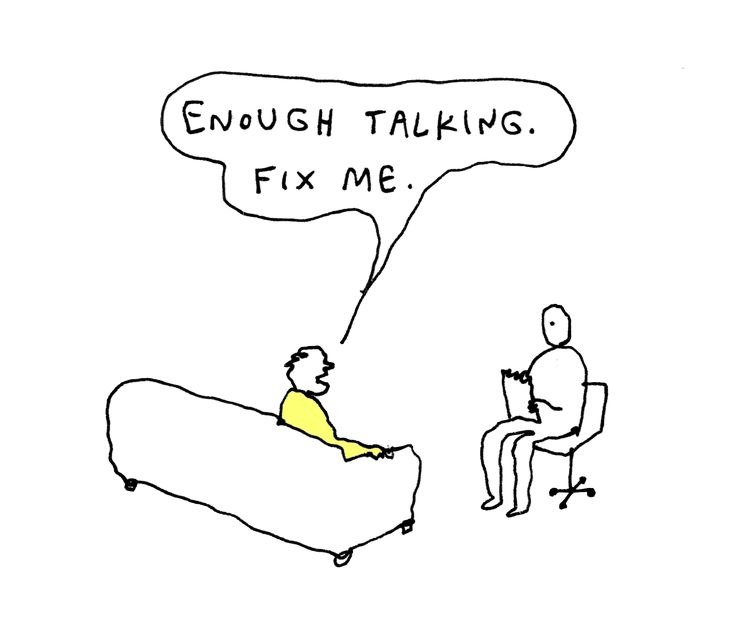
Instagram can introduce ideas. Therapy helps you apply them.
A therapist works with your specific experiences, understands your emotional patterns, and guides you through challenges in a structured way.
For concerns related to anxiety, stress, or relationships, approaches like couples therapy or marriage therapy require depth, consistency, and professional insight.
This is something social media and AI tools cannot provide.
How to Use Social Media Without Letting It Affect You
You do not need to completely avoid Instagram, but you need to be intentional.
- Treat content as general information, not diagnosis
- Avoid applying every post to your life
- Limit overconsumption of mental health content
- Notice if content increases your stress or confusion
- Seek clarity from professionals when needed
The goal is to use content as a starting point, not a conclusion.
When to Seek Professional Help
If you are experiencing:
- persistent anxiety or stress
- confusion about your emotions
- relationship challenges
- feeling overwhelmed despite consuming helpful content
it may be time to move beyond social media.
Professional therapy provides personalised guidance, helping you understand your situation instead of fitting into general advice.
Final Takeaway
Instagram therapists have made mental health conversations more accessible. That is a positive shift.
But accessibility is not the same as accuracy or depth.
Social media can help you feel seen.
It cannot help you fully understand or resolve what you are going through.
If you feel more confused than clear, it may be time to step away from content and move toward conversations that are built around you, not the algorithm.
Frequently Asked Questions
Are Instagram therapists real therapists?
Some are qualified professionals, but not all content creators have clinical training. It is important to verify credentials before relying on advice.
Can Instagram help with anxiety?
It can provide awareness and validation, but it cannot replace proper assessment or treatment for anxiety.
What is social media anxiety?
Social media anxiety refers to stress, comparison, and overthinking triggered by constant exposure to content and online interactions.
Is AI better than Instagram for mental health advice?
AI can provide more structured responses, but like social media, it lacks personal understanding and should not replace therapy.
When should I consider therapy instead of social media advice?
If you feel confused, overwhelmed, or stuck despite consuming content, it is important to seek professional support for clarity and guidance.
MANSI THERAPIST - INSTAGRAM THERAPIST