The Rise Of Emotional Awareness
Mental health conversations have become far more accessible over the last decade.
Social media, podcasts, online therapy platforms, mental health communities and digital content have made psychological concepts part of everyday life.
Terms that once belonged exclusively in therapy rooms now appear in casual conversations.
People talk about:
- Attachment styles
- Emotional triggers
- Boundaries
- Burnout
- Trauma responses
- Nervous system regulation
- Self-worth
This increased awareness has helped reduce stigma around therapy, anxiety counselling and mental health support. More people are seeking help. More people are recognising symptoms. More people are talking openly about their struggles.
All of this is positive. However, awareness has its limitations.
When Awareness Turns Into Overanalysis
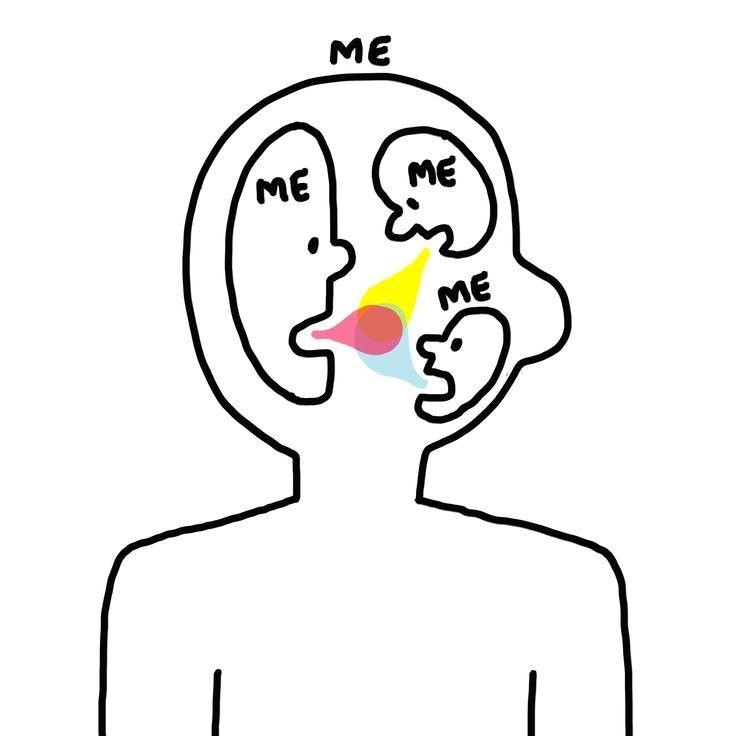
Awareness helps us understand ourselves. Overanalysis keeps us stuck. Many people today spend significant amounts of time monitoring their thoughts, emotions and behaviours. Every feeling needs an explanation. Every reaction needs interpretation. Every difficult experience needs a psychological framework.
Instead of experiencing emotions, people often find themselves analysing them. Instead of moving through uncertainty, they attempt to understand every possible reason behind it.
While reflection can be helpful, constant self-analysis can sometimes increase anxiety rather than reduce it.
The mind becomes occupied with questions such as:
- Why am I feeling this way?
- What does this mean?
- Is something wrong with me?
- Am I healing correctly?
- Am I emotionally healthy enough?
Over time, self-awareness can begin to feel less like insight and more like surveillance.
The Pressure To Constantly Improve
Modern culture places enormous emphasis on self-improvement. People are encouraged to optimise nearly every aspect of their lives.
Productivity. Fitness. Relationships. Career growth. Mental health.
While personal growth is valuable, the pressure to constantly improve can become overwhelming. Many individuals report feeling as though they are permanently working on themselves.
There is always another habit to develop. Another mindset to change. Another emotional pattern to fix. Another area requiring growth. This endless pursuit of becoming better can create chronic stress and anxiety.
Social Media And The Mental Health Paradox
Social media has made mental health information more accessible than ever before. It has also made comparison more accessible than ever before. People are no longer comparing careers, appearances or lifestyles alone. They are comparing healing journeys. Comparing emotional intelligence. Comparing personal growth. Comparing self-awareness.
As a result, many individuals feel pressure not only to succeed but also to heal perfectly. Mental wellbeing becomes another benchmark to achieve. Another standard to meet. Another expectation to fulfil.
Why Anxiety Remains So Common
Anxiety often thrives in environments where uncertainty feels unacceptable. Unfortunately, modern life offers very little certainty. Relationships are uncertain. Careers are uncertain. Finances are uncertain.
The future is uncertain.
Many people attempt to manage this uncertainty by gathering more information. Learning more. Analysing more. Understanding more.
However, emotional wellbeing does not come solely from understanding life. It also comes from learning how to tolerate uncertainty without needing immediate answers.
What Therapy Can Help With
Therapy is not simply about increasing self-awareness. Many people seeking therapy for anxiety, overthinking or stress management are already highly aware of their emotional patterns. The goal often becomes learning how to respond differently.
Learning how to stop overanalysing every thought. Learning how to navigate uncertainty. Learning how to experience emotions without becoming consumed by them. Learning how to live alongside discomfort rather than constantly trying to eliminate it.
Final Thoughts
Emotional awareness is an important part of mental wellbeing. But awareness alone does not guarantee peace of mind. Understanding yourself is valuable. Constantly monitoring yourself is exhausting. For many young adults today, the challenge is no longer becoming more self-aware. The challenge is learning when to stop analysing and start living.
If anxiety, overthinking or emotional exhaustion are affecting your daily life, working with a qualified therapist can provide practical tools to manage these experiences while building a healthier relationship with yourself and your emotions.
MANSI THERAPY - SELF AWARE OR ANXIOUS?