Self Help Content Addiction Is the New Normal
What begins as awareness can easily turn into self help content addiction.
You start relying on reels, posts, and online advice to regulate how you feel. When you’re anxious, you scroll. When you’re stressed, you search for more content. When something feels off, you look outward instead of inward.
This creates a cycle where you are constantly consuming but rarely applying. You know what healing looks like, you understand holistic healing concepts, but your actual life remains unchanged.
The gap between knowing and doing continues to widen.
The Problem With the Performative Aesthetic of Healing
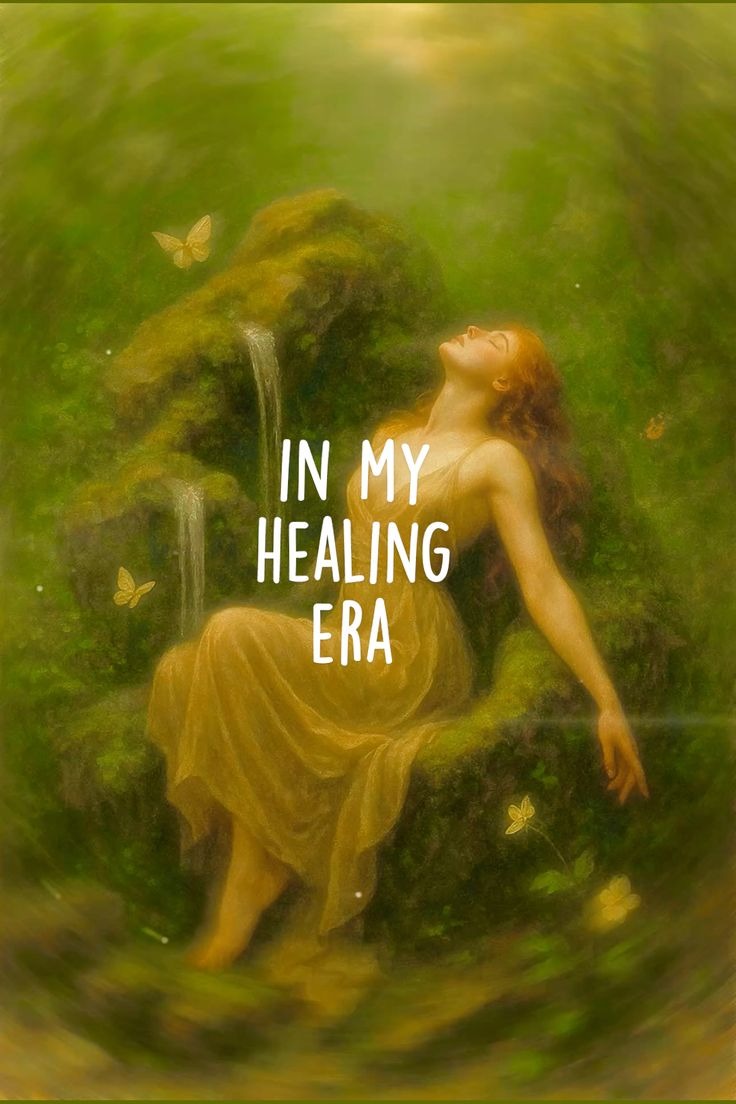
A large part of Instagram’s healing culture is built on a performative aesthetic. Soft lighting, calming music, slow routines, and perfectly worded affirmations create the image of emotional balance.
But real healing does not look like that. It is messy, uncomfortable, and often unclear.
When healing is constantly presented as something calm and controlled, it can make your own experience feel inadequate. You may start believing that you are not healing “correctly” because your reality does not match what you see online.
This disconnect can increase anxiety rather than reduce it.
Mental Health Reels and Social Media Anxiety
Mental health reels are short, engaging, and highly shareable, but they lack depth. They simplify complex emotional experiences into quick takeaways.
While this makes them easy to consume, it also removes important context.
Over time, constant exposure to such content can lead to social media anxiety. You may start over analyzing your thoughts, labelling every emotion, or questioning your relationships based on what you see online.
Instead of feeling grounded, you feel more uncertain.
The very content meant to help you can end up overwhelming you.
When Awareness Becomes Avoidance
One of the most overlooked effects of self-help content is how easily it turns into avoidance.
Watching content about healing gives you the feeling that you are doing something for yourself. But real healing requires action.
It requires sitting with discomfort, making difficult changes, and facing patterns you may have avoided for years.
Consuming content is easy. Applying it is not.
So you stay in a loop where you feel informed but not transformed. You are aware of your anxiety, your triggers, and your patterns, but you are not actively working through them.
The Role of AI in Reinforcing the Same Cycle
This pattern does not stop at Instagram. Many people now turn to an AI assistant or what feels like a “chatgpt psychologist” to process their emotions.
Tools built by companies like OpenAI and platforms supported by Google Cloud AI make it easy to get instant responses.
Like social media, this creates a sense of clarity and validation. But it operates in a similar way.
You express, you receive feedback, and you feel temporarily better.
However, this is still reflection, not transformation. AI can organise your thoughts, but it cannot challenge your behaviour or guide long-term emotional change.
Why Healing Cannot Be Aesthetic
Healing is not something you can package into a routine or a visual. It is not always calm, and it is rarely linear.
It involves discomfort, inconsistency, and effort over time.
The idea of holistic healing is often reduced online to habits and routines, but true holistic healing involves emotional, psychological, and behavioural change.
This cannot happen through passive consumption. It requires active engagement with your own experiences.
What Actually Creates Change
Real change begins when you move beyond content.
It starts when you take one insight and apply it, even when it feels uncomfortable.
It involves noticing your reactions in real situations, not just identifying them in a reel.
It requires consistency, whether that means journaling, setting boundaries, or seeking structured support.
For ongoing anxiety, stress, or relationship challenges, deeper work through therapy, couples therapy, or marriage therapy provides the space and accountability needed for real progress.
A Better Way to Use Healing Content
You do not need to completely stop consuming content, but your approach needs to shift.
Instead of constantly scrolling, slow down and reflect on what actually applies to you.
Limit how much mental health content you consume if it increases your anxiety or confusion.
Focus on implementation rather than accumulation.
The value of content lies in what you do with it, not how much of it you save.
Final Takeaway
Healing content on Instagram feels powerful because it is accessible, relatable, and constant. But that does not mean it is effective on its own.
When healing becomes a performative aesthetic, it risks turning into something you watch instead of something you live.
If you find yourself stuck in cycles of anxiety, social anxiety, or overthinking despite consuming endless content, it may be time to change your approach.
Healing does not come from how much you scroll. It comes from what you are willing to face, process, and change beyond the screen.
MANSI THERAPY - HEALING ON INSTAGRAM NOT AESTHETIC