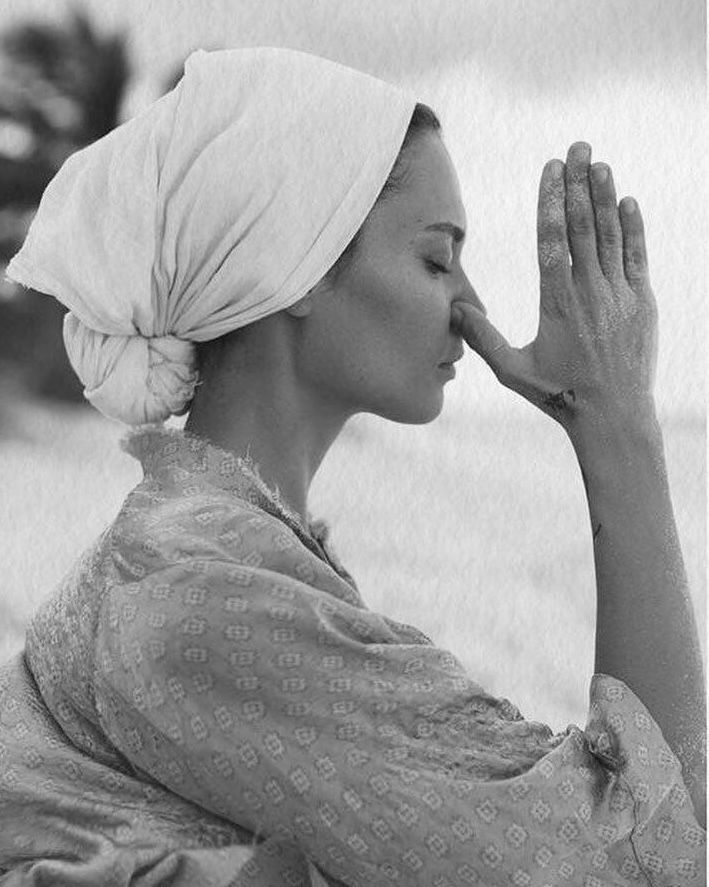
Why Breathing Matters in Anxiety
When anxiety rises, breathing becomes fast and shallow, signaling danger to the nervous system. Controlled breathwork sends the opposite message — safety and calm. This lowers heart rate, reduces cortisol, and relaxes muscles.
Powerful Breathing Techniques for Anxiety
1. Abdominal / Diaphragmatic Breathing
Also known as belly breathing, this technique encourages deeper oxygen flow.
How to do it:
- Place one hand on your chest, one on your stomach
- Inhale slowly through your nose
- Let your stomach rise, not your chest
- Exhale gently through your mouth
Practice for 3–5 minutes to calm the nervous system.
2. Box Breathing
Commonly used by athletes and therapists for instant calm.
- Inhale for 4 seconds
- Hold for 4 seconds
- Exhale for 4 seconds
- Hold again for 4 seconds
Repeat 4–6 cycles. This stabilizes heart rate and focus.
3. Guided Breathwork
Listening to guided breathwork sessions or counting your breaths can reduce mental clutter and ground attention in the present moment.
Combining Mind and Body for Healing
Cognitive restructuring calms the mental narrative, while diaphragmatic and box breathing calm the physical stress response. Together, they create a powerful healing loop:
- Thoughts become more realistic
- Breathing becomes deeper
- Heart rate slows
- Muscles relax
- Emotional intensity decreases
This dual approach helps anxiety feel manageable rather than overwhelming.
Final Note
Anxiety is not only a thinking problem or a breathing problem — it is both. When you practice
cognitive restructuring alongside breathwork techniques like abdominal breathing and box breathing, you teach your mind and body to work together instead of against each other. Healing does not require drastic changes; it begins with small, consistent practices that restore balance one breath and one thought at a time.