What Is Digital Burnout?
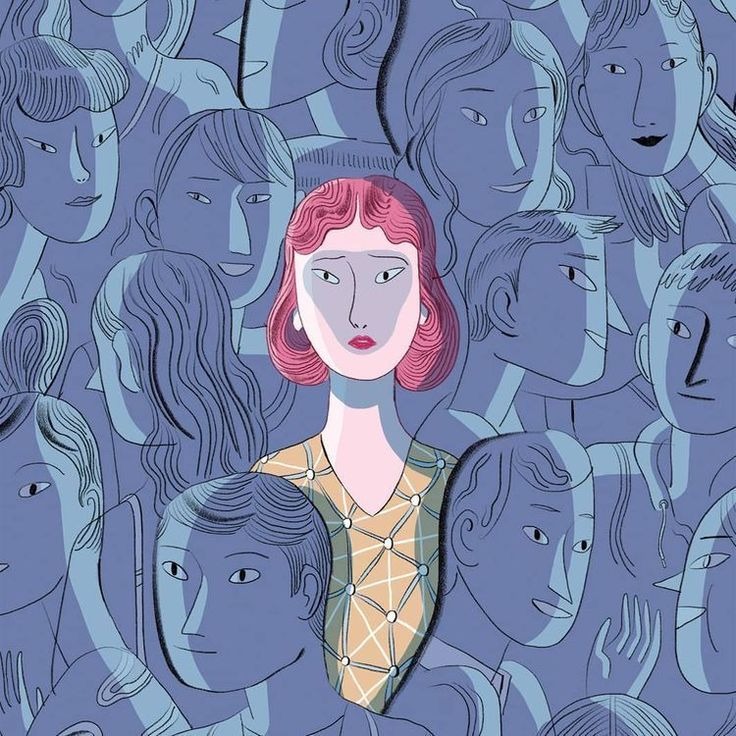
Digital burnout refers to the mental, emotional and physical exhaustion caused by prolonged exposure to digital devices and online environments.
Unlike workplace burnout, digital burnout isn't always tied to long working hours. It develops through endless scrolling, frequent notifications, social media comparisons, information overload and the expectation of always being available.
The result is a mind that rarely gets an opportunity to rest.
Signs You May Be Experiencing Digital Burnout
Many people assume they are simply tired. In reality, their relationship with technology may be contributing to their stress.
Common signs include:
- Feeling mentally drained after scrolling through social media.
- Difficulty concentrating on a single task.
- Picking up your phone without consciously deciding to.
- Feeling anxious when notifications go unanswered.
- Constantly checking WhatsApp, Instagram or emails.
- Finding silence uncomfortable.
- Difficulty reading books or watching a film without checking your phone.
- Feeling restless during moments with no digital stimulation.
- Trouble falling asleep after spending time on screens.
- Feeling emotionally overwhelmed by news, opinions and online debates.
Why Constant Online Stimulation Increases Anxiety
The human brain was never designed to process hundreds of conversations, headlines and notifications every day.
Every notification signals your brain to shift attention. Every reel, post or message introduces new information to process.
Your attention is repeatedly interrupted before it has a chance to settle.
This continuous switching between tasks increases mental fatigue and makes sustained focus more difficult.
Social media also introduces another layer of emotional stress.
Within minutes, you can witness someone's engagement, another person's promotion, a distressing news story, a political debate, a travel vlog and a stranger's opinion about your favourite film.
Your brain processes all of it, even when you believe you're scrolling casually.
The Hidden Cost of Being Constantly Available
Technology has blurred the boundaries between work and personal life.
Many people now feel pressure to:
- Reply immediately.
- Stay active on messaging apps.
- Respond to work emails after office hours.
- Maintain friendships through continuous online interaction.
- Keep up with every update across multiple platforms.
Being reachable all the time often creates the feeling that you should always be doing something.
Rest begins to feel unproductive.
Silence begins to feel unfamiliar.
Social Media Anxiety Is More Common Than We Think
Social media can be entertaining, educational and inspiring.
It can also
trigger anxiety.
People often compare their everyday lives with carefully curated highlights posted by others.
Success appears constant. Relationships appear effortless. Everyone seems to be travelling, celebrating or achieving something.
This comparison can contribute to:
- Low self-esteem.
- Fear of missing out (FOMO).
- Increased self-criticism.
- Perfectionism.
- Anxiety about one's own progress.
Over time, the pressure to keep up can become emotionally exhausting.
What Happens When Your Brain Never Switches Off?
The brain needs periods of rest to process emotions, consolidate memories and recover from stress.
When every quiet moment is replaced by scrolling, podcasts, videos or messages, those opportunities become limited.
Many people report experiencing:
- Mental fatigue.
- Emotional numbness.
- Reduced creativity.
- Difficulty focusing.
- Irritability.
- Poor sleep quality.
- Increased anxiety.
These experiences don't necessarily indicate a mental illness, but they do suggest that your mind is carrying more stimulation than it can comfortably process.
Is This Screen Addiction?
Not everyone who spends long hours online has screen addiction.
However, if you find yourself repeatedly checking your phone despite wanting to stop, feeling anxious without it or neglecting important responsibilities because of screen use, it may be worth exploring your relationship with technology.
Technology is designed to capture attention.
Recognising that pattern is the first step towards changing it.
How to Reduce Digital Burnout
Improving your relationship with technology doesn't require abandoning it completely.
Small, consistent changes often make the biggest difference.
Try to:
- Turn off non-essential notifications.
- Create phone-free periods during the day.
- Avoid checking emails immediately after waking up.
- Keep your phone away during meals.
- Leave your phone outside the bedroom at night.
- Spend time outdoors without digital distractions.
- Schedule moments where your brain has nothing to consume.
The goal isn't to use technology less.
It's to use it more intentionally.
How Therapy Can Help
If being online is contributing to chronic stress or anxiety, therapy can help identify the patterns beneath your digital habits.
For some people, scrolling becomes a way to avoid uncomfortable emotions.
For others, it fills loneliness, reduces boredom or offers temporary relief from stress.
Understanding why you reach for your phone is often more important than simply reducing screen time.
A therapist can help you:
- Develop healthier coping strategies.
- Build emotional awareness.
- Manage anxiety related to social media.
- Set boundaries around technology.
- Improve attention and emotional regulation.
- Create a healthier balance between your online and offline life.
Frequently Asked Questions
Can social media increase anxiety?
Yes. Excessive social media use can contribute to anxiety through constant comparison, information overload, cyberbullying, fear of missing out and the pressure to remain continuously connected.
What is digital burnout?
Digital burnout is mental and emotional exhaustion caused by prolonged exposure to screens, notifications, social media and constant online engagement.
What are the symptoms of digital burnout?
Common symptoms include mental fatigue, difficulty concentrating, irritability, poor sleep, emotional exhaustion, reduced attention span and increased anxiety.
Is screen addiction a real condition?
While "screen addiction" is not an official diagnosis, problematic technology use can significantly affect daily functioning, relationships, sleep and mental health.
When should I seek professional help?
If screen use is affecting your work, relationships, sleep or emotional wellbeing, or if anxiety persists despite reducing your online activity, speaking with a mental health professional can help.
Final Thoughts
Technology has transformed the way we work, communicate and build relationships. It has also changed the way we experience stress.
Being connected every hour of the day leaves very little space for reflection, recovery and genuine rest.
Your mental health deserves the same attention you give to your inbox, your notifications and your social media feed. Sometimes, the healthiest thing you can do isn't checking one more update.
It's giving your mind permission to disconnect.
MANSI THERAPY - SOCIAL MEDIA ANXIETY